Date:
26 Οκτωβρίου, 2025
By Alex Karas
Categories:
Reviews
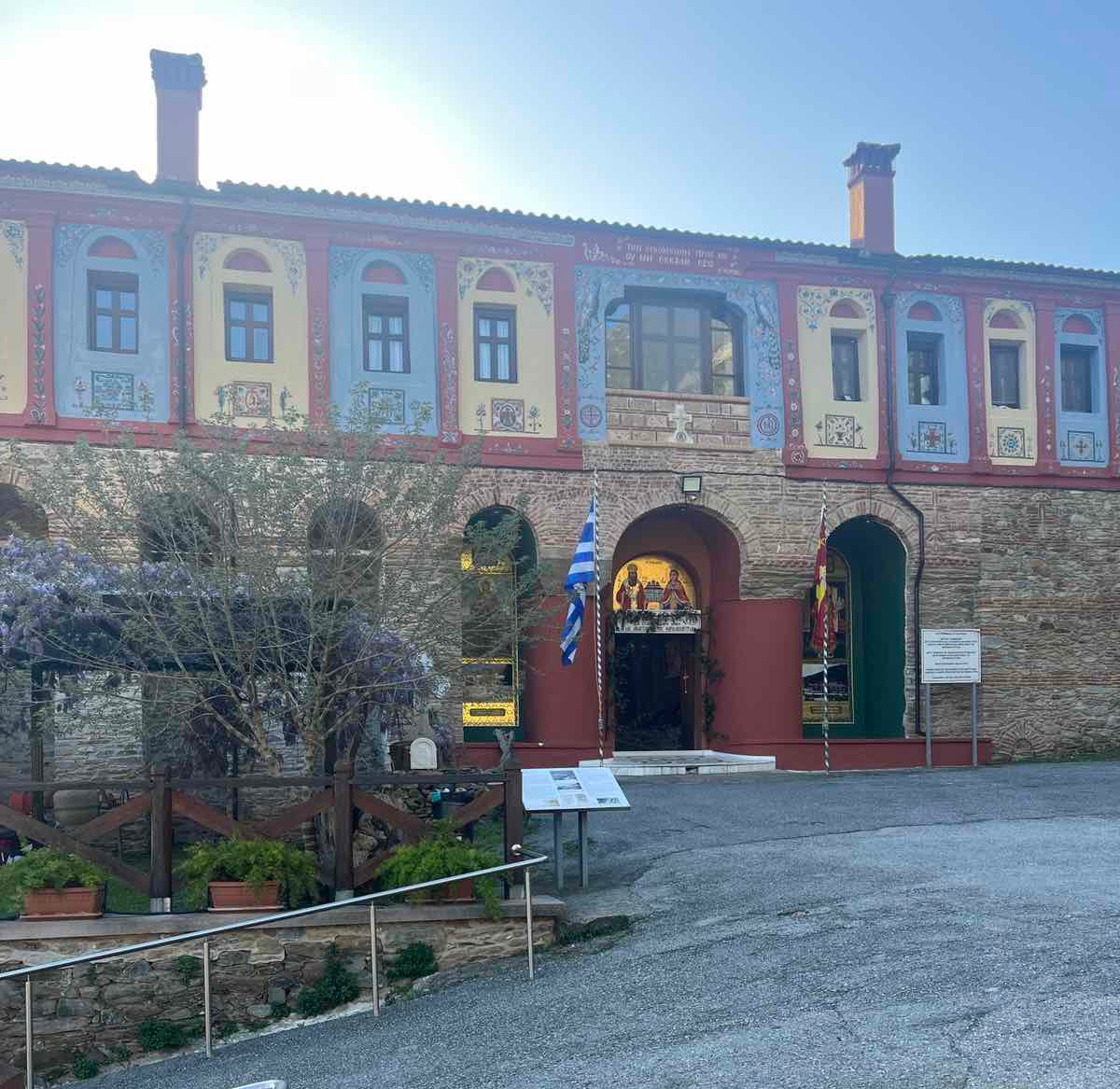
The Monastery of Saint Anastasia the Pharmakolytria, located in the Vasilika area on the outskirts of Thessaloniki, Greece, is a significant Byzantine-era religious site with deep historical and spiritual importance. Founded in 1522 by Saint Theonas, a monk from the Holy Mountain (Mount Athos) and later Archbishop of Thessaloniki, the monastery was originally established near the ancient city of Raidestos (modern-day Tekirdağ in Turkey). However, after the devastating population exchanges following the Greco-Turkish War and the 1923 Treaty of Lausanne, the monastic community was forced to relocate to Greece, rebuilding the monastery in its current location in 1924.
The name “Pharmakolytria” translates to “Deliverer from Potions” or “Healer from Poisons,” reflecting the saint’s legendary role in protecting people from magical spells, poisons, and spiritual afflictions. Saint Anastasia, a 3rd-century Roman martyr born in Rome around 281 AD, was executed during the persecutions under Emperor Diocletian. According to tradition, she was a noblewoman who secretly aided imprisoned Christians, using her knowledge of pharmacology (hence “pharmakon” for medicine or poison) to heal the sick and counteract sorcery. Her relics, believed to possess miraculous healing properties, were transferred to the monastery during its relocation and remain a focal point for pilgrims seeking relief from physical and mental ailments, including addiction and psychological disorders.
Architecturally, the monastery features a classic Byzantine cross-in-square Katholikon (main church), adorned with frescoes from the 16th to 19th centuries that depict scenes from the saint’s life, biblical events, and Orthodox saints. The complex includes monastic cells, a library housing rare manuscripts and icons, gardens, and a museum showcasing ecclesiastical artifacts, Byzantine icons, and relics from Raidestos. The site is surrounded by lush greenery, offering a serene retreat from urban Thessaloniki, just 20 km away.
Today, the Monastery of Saint Anastasia operates as a female convent under the Ecumenical Patriarchate of Constantinople. It attracts thousands of visitors annually, especially during its feast day on December 22, when liturgies, processions, and healing services draw faithful from across Greece and beyond. The monastery is renowned for its charitable works, including support for those battling substance abuse, and produces traditional products like honey, herbs, and icons. Recognized for its cultural heritage, it stands as a symbol of resilience for the Greek Orthodox diaspora from Asia Minor, blending history, faith, and community in the heart of Macedonia.
Read More...